
Concrete Plywood: What to Know Before You Start
People usually search for concrete plywood when they are about to pour a slab, form up a footing, or build shuttering for a small job. And fair enough. The right sheet choice can mean smooth edges, fewer blowouts, and less money wasted on warped, soggy panels.
In Australia, concrete formwork often happens fast and outdoors, sometimes in heat, sometimes in rain, sometimes both in the same week. So it helps to understand what this stuff actually is, what to buy, and what not to do.
What is concrete plywood, exactly?
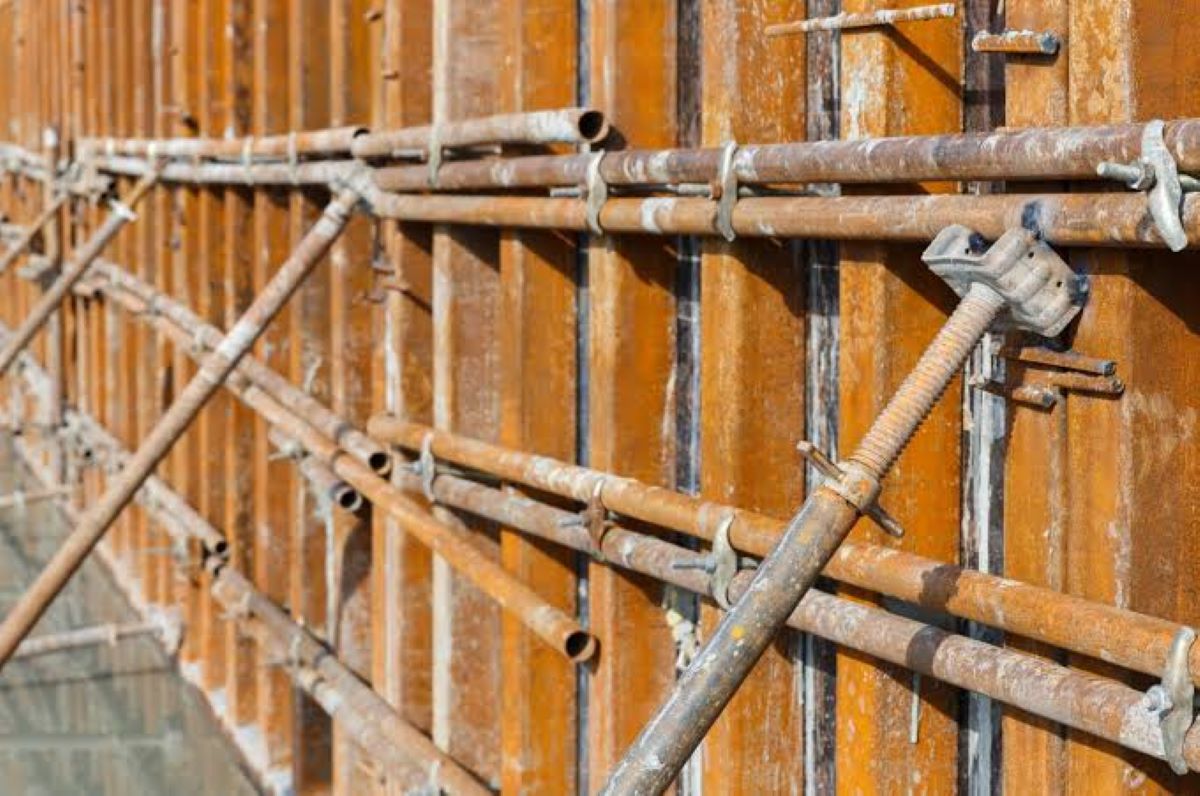
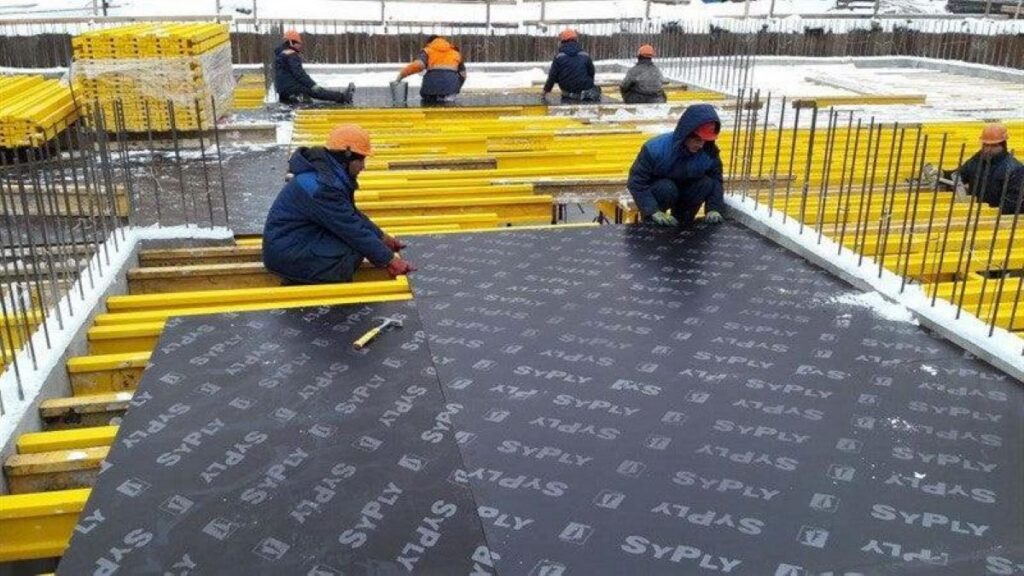
Concrete plywood is a formwork grade plywood designed to handle wet concrete pressure and short-term exposure to moisture. It is usually a structural plywood with a durable overlay or film face that helps resist water and creates a smoother concrete finish.
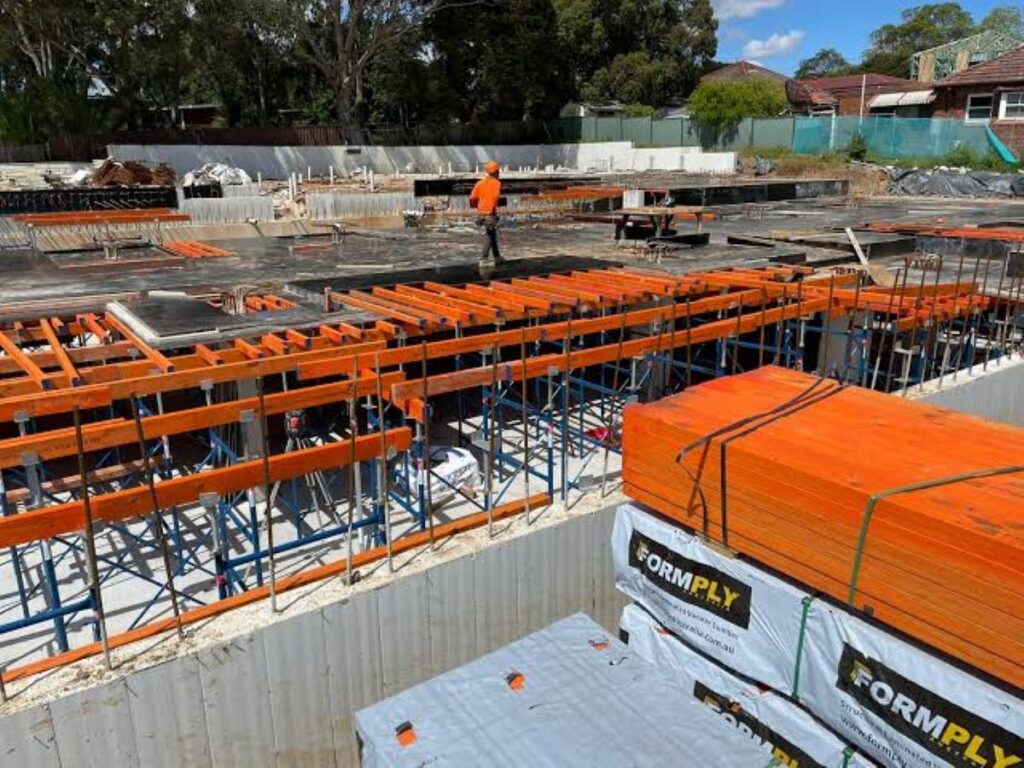
In Australia it is commonly sold as formply, film-faced plywood, or formwork plywood, with sheets typically 1200 x 2400 mm.
Is concrete plywood the same as formply in Australia?
Yes, in most Australian timber yards, concrete plywood is basically what they will call formply. The practical difference is wording, not function.
Formply is normally manufactured to Australian Standards for structural plywood and formwork, and it is intended for temporary moulds rather than permanent building linings.
What grades and standards should they look for before buying?
They should look for a stamp showing AS NZS 2269 for structural plywood and markings that identify it as formply for concrete formwork. That stamp matters, especially if the job involves compliance or inspections.
If the sheet has no clear branding or stamp, it might still work for a one-off DIY pour, but it is a bigger risk for delamination and edge blowouts.
Which thickness is best for slabs, footpaths, and edges?
For light DIY use, 17 mm is common for concrete plywood, and it is widely stocked across Australia. For heavier loads, taller walls, or repeated reuse, 19 mm and 21 mm are often chosen.
The right thickness depends on stud spacing, pour height, and bracing. If the frame is flimsy, a thicker sheet does not magically fix it.
Does concrete plywood need sealing or edge protection?
Yes, edges are the weak point. Concrete plywood is usually water resistant on the face, but the cut edges can soak up water fast.
They should seal any cuts with an edge sealer, exterior paint, or a purpose made formply edge product. It is a small step that can add extra reuses, especially on wet sites around Sydney, Brisbane, or the coast.
How many times can concrete plywood be reused?
It depends on handling and cleaning, not just the product. Concrete plywood might be reused a handful of times on a DIY job, or many more times in professional formwork if it is cleaned, oiled, and stored properly.
Damage typically comes from prying too hard, leaving sheets sitting in water, or failing to seal edges after trimming.
What is the difference between film faced and plain plywood for formwork?
Film faced sheets have a resin film that resists moisture and leaves a smoother concrete finish. Plain structural plywood can work, but it tends to stain, swell, and leave a rougher surface.
If they care about the finish on exposed edges, film faced concrete plywood is usually worth it. If it is getting buried or rendered, plain can be acceptable on small budgets.
What should they use as a release agent on the plywood face?
A proper formwork release oil is the standard choice in Australia. It helps the concrete release cleanly and protects the sheet face from cement paste bonding.
They should apply it lightly, not soak it. Too much oil can mark the concrete, cause surface dusting, or create patchy colour, especially in decorative concrete.
Can concrete plywood be used for permanent outdoor structures?
Not really, and it is not what it is made for. Concrete plywood is designed for temporary use as a mould, not as a long-term exposed panel outdoors.
If they need an exterior sheet for a shed, trailer floor, or cladding, they should look at exterior structural plywood or marine plywood, depending on exposure and budget.
See Also : What Formwork Plywood Actually Involves
What are the common mistakes people make with concrete plywood?
The biggest one is poor bracing. Concrete plywood can be strong, but wet concrete is heavy and will find the weakest spot.
Other common mistakes include not sealing cut edges, using screws too close to the edge, skipping release agent, and leaving sheets in the rain after the pour. Most failures look like “bad plywood”, but they usually start with rushed setup.
Where can they buy concrete plywood in Australia, and what should they ask for?
They can buy it from timber merchants, formwork suppliers, and major hardware stores across Australia. Most staff will recognise it as formply, film-faced formply, or formboard.
They should ask for a structural rated formply sheet, confirm thickness, and check that the faces are in good condition. For regional areas, it is worth ringing ahead because stock can be patchy outside capital cities.
How should they store and handle it so it stays flat?
They should store concrete plywood flat on bearers, off the ground, and covered from rain while still allowing airflow. Trapping moisture under plastic can cause mould and swelling, especially in humid parts of Queensland and northern NSW.
When moving sheets, they should avoid dragging corners on concrete. Corner damage quickly becomes edge swelling, and edge swelling becomes a sheet that never sits true again.
What does a simple pre-pour checklist look like?
They should confirm the frame is square, braced, and pegged properly before pouring. They should also confirm the sheet faces are clean and lightly oiled.
For concrete plywood, the checklist is basically: sealed edges, tight fixings, no gaps where slurry can leak, and enough supports to stop bowing. If it looks over-braced, it is probably about right.
How do they decide if concrete plywood is the right choice for their job?
If they need a reliable, smooth-faced formwork sheet that can handle wet concrete pressure, concrete plywood is a sensible, common option in Australia. It is accessible, predictable, and easy to work with standard tools.
If the job is permanent, decorative, or exposed to weather long term, they should consider other materials. But for typical slabs, steps, and footings, this is often the simplest path with the least drama.
FAQs (Frequently Asked Questions)
What is concrete plywood and why is it used in formwork?
Concrete plywood, also known as formply or film-faced plywood in Australia, is a structural plywood designed to withstand wet concrete pressure and short-term moisture exposure. It features a durable overlay or film face that resists water and provides a smoother concrete finish, making it ideal for pouring slabs, footings, and shuttering small jobs.
Is concrete plywood the same as formply in Australia?
Yes, in Australia, concrete plywood is commonly referred to as formply. Both terms describe structural plywood manufactured to Australian Standards (AS NZS 2269) for temporary moulds used in concrete formwork. The difference lies mainly in terminology rather than function.
What thickness of concrete plywood should I choose for slabs and footpaths?
For light DIY projects, 17 mm thick concrete plywood is commonly used and widely available across Australia. For heavier loads, taller walls, or repeated reuse, thicker sheets such as 19 mm or 21 mm are recommended. The appropriate thickness depends on factors like stud spacing, pour height, and bracing quality.
Do I need to seal the edges of concrete plywood sheets?
Yes, sealing the cut edges of concrete plywood is essential because edges absorb water quickly despite the face being water-resistant. Applying edge sealer, exterior paint, or specialized formply edge products protects against moisture ingress, extending the sheet’s lifespan especially in wet climates like Sydney, Brisbane, or coastal areas.
How many times can concrete plywood be reused for formwork?
The number of reuses depends on proper handling and maintenance rather than just the product itself. With careful cleaning, oiling, sealing of edges after trimming, and avoiding damage from prying or prolonged water exposure, concrete plywood can be reused multiple times—from a few times on DIY jobs to many more on professional sites.
What are common mistakes to avoid when using concrete plywood for formwork?
Common mistakes include insufficient bracing leading to bowing under wet concrete pressure; failing to seal cut edges; placing screws too close to sheet edges causing splits; neglecting to apply release agents which hampers clean removal; and leaving sheets exposed to rain post-pour. Most failures attributed to ‘bad plywood’ actually stem from rushed setup or poor handling.